

Carretera Austral: How Many Days Do You Need by Car
By Loki Team8 min read

The short answer is this: if you want to feel that you actually experienced the Carretera Austral, you should not plan fewer than 10 days. If you want to drive at a calm pace, enter parks, avoid turning every ferry into a race and keep some flexibility, the most realistic range is usually 12 to 16 days. If your dream is to reach Villa O'Higgins, add side trips or cross into Argentina, two to three weeks is much more realistic.
Starting from Puerto Montt or Puerto Varas makes the logistics much easier. You can pick up the car near town or request Puerto Montt airport delivery, load your bags without terminal limits and begin the route with full freedom. That flexibility matters because on the Carretera Austral the weather, the ferry crossings, the gravel roads and your desire to stop for a view will shape each day.
How many days you really need for the Carretera Austral
The Carretera Austral covers more than 1,200 kilometers between Puerto Montt and Villa O'Higgins, and it does not drive like a highway. According to the official route guide, the full trip combines long scenic stretches, ferry crossings and variable travel times depending on road conditions and weather (Carretera Austral). That means the real question is not only how many kilometers you want to cover, but how much you want to see without turning the trip into a string of late arrivals.
A useful reference is to look at how local tourism sources frame the route. Chile Travel proposes a 7-day itinerary that covers one section from Hornopirén southward, with 1,089 km and several intense stops (Chile Travel). By contrast, the official route planning site publishes 12-day, 16-day and even longer programs from Puerto Montt for travelers who want to go farther and sleep in more key locations (16-day plan).
That translates into a practical range:
- 7 to 8 days: enough to sample one section and come back wanting more.
- 10 to 12 days: a good balance for a northern or central route segment.
- 14 to 16 days: the sweet spot for most first-time self-drive travelers.
- 18 to 21 days: ideal if you want to reach the deep south, add hikes and keep weather margin.
If you travel as a couple, with family or with outdoor gear, it helps to choose fewer hotel changes and more useful time on the road. That is where a comfortable rental with unlimited kilometers makes a difference. At Loki you can compare vehicle size and clearance on /en/fleet before deciding whether a compact car is enough for summer or an SUV fits better.
How to choose the right itinerary for your available time
The best number of days depends on your travel rhythm, not only on your budget. A common mistake is to copy a pretty map and assume you will drive every day at the same average speed. In reality, gravel sections, viewpoints, ferry schedules and fatigue slow things down.
If you only have 7 to 8 days
This works best if you treat the route as an introduction. You can enter through Hornopirén, continue through Chaitén, Pumalín, Puyuhuapi and Queulat, then return without forcing the deepest southern section. Chile Travel uses that logic in its seven-day route and concentrates on the northern highlights (Chile Travel).
If you have 10 to 12 days
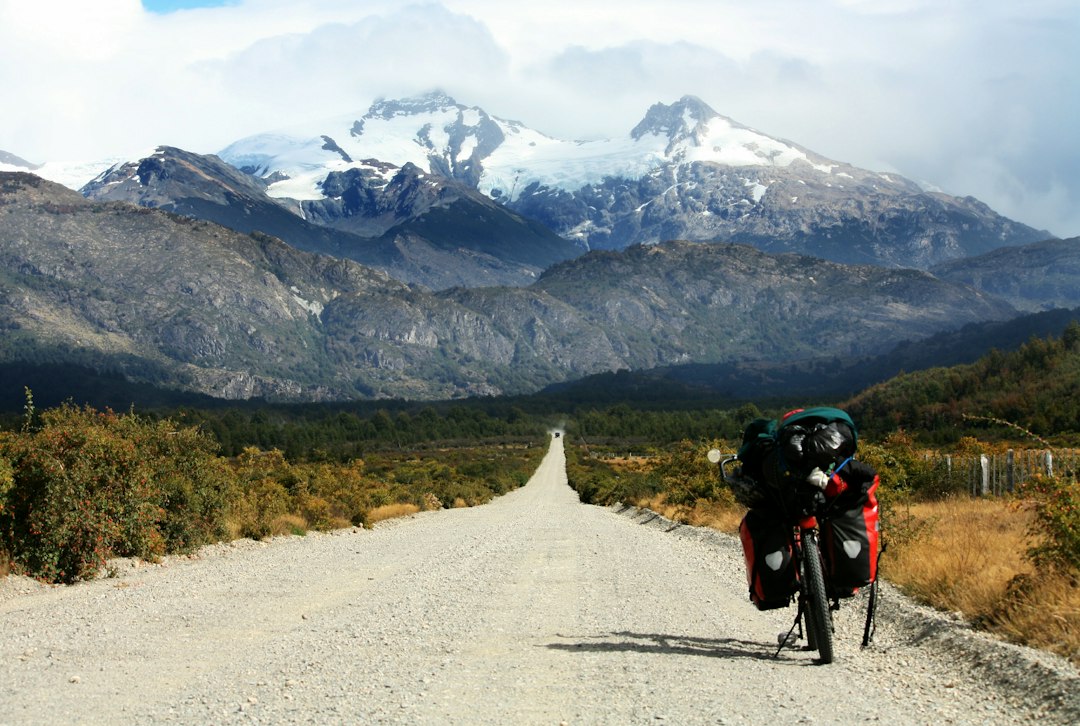
At this range you can slow down, sleep better and add useful detours. It works well if you want to combine scenic driving with hot springs, short hikes or a marble caves boat trip. It is also the minimum realistic window if you do not want to spend the whole trip trying to recover lost time.
If you have 14 to 16 days
For many travelers, this is the best balance. The official 16-day plan from Puerto Montt follows a logical progression through Hornopirén, La Junta, Coyhaique, Puerto Río Tranquilo, Bahía Exploradores, Tortel and farther south (Carretera Austral). At that point you stop collecting quick photos and start living the route.
If you are aiming for 18 to 21 days
This range gives you room for weather, spontaneous changes and full-day experiences. It is also where travelers especially value 24/7 support, unlimited kilometers and flexible pickup around Puerto Montt flight times. If you want to solve that part before locking nights and ferries, you can quote directly on /en/reservation.
What changes when you do the route with your own or a rental car
The Carretera Austral can be done in several ways, but a car remains the most flexible option if you want to control your time. HDI notes that the route includes more than 1,240 km, gravel sections and ferry crossings, and recommends planning according to transport type, weather and sightseeing stops (HDI Seguros). In other words, the vehicle is not a detail. It shapes how much you see and how much stress you carry.
With a car, your day works better:
- You leave Puerto Montt or Puerto Varas early without depending on a bus schedule.
- You store luggage, food and outdoor layers without moving bags at every segment.
- You can adapt when the weather changes or a ferry gets delayed.
- You reach remote lodgings and viewpoints more easily.
- You stay free to extend a good day or shorten a rainy one.
For a short summer trip, a compact car can work well if you focus on the northern section and drive carefully on gravel. For trips of two weeks or more, more passengers or frequent detours, an SUV is often more comfortable. At Loki you can also request airport pickup, 24/7 service and the Argentina cross-border permit if you want to extend your adventure. Those are practical route solutions, not just rental features.
Another useful point is mileage. In a destination where one change of plan can add hundreds of kilometers, unlimited km keeps each detour from becoming a budget problem. If you want ideas for more southern Chile routes, /en/tours is a good next stop.
Common mistakes when estimating the number of days
Many travelers fall short not because they lack enthusiasm, but because they estimate badly. These are the most common mistakes:
- Counting only total distance. The route includes slow sections, viewpoints, gravel and ferries. A map does not show the real fatigue of the day.
- Ignoring ferry logistics. The La Arena to Puelche crossing works on arrival order, while the Hornopirén to Caleta Gonzalo section needs planning in high season (Carretera Austral ferries).
- Leaving no weather buffer. Rain, wind or one rough night can shift the entire schedule.
- Underestimating the deep south. Reaching Villa O'Higgins is very different from stopping around Queulat or Coyhaique.
- Choosing a car that is too small. When you travel with bags, children or hiking gear, comfort becomes part of the itinerary.
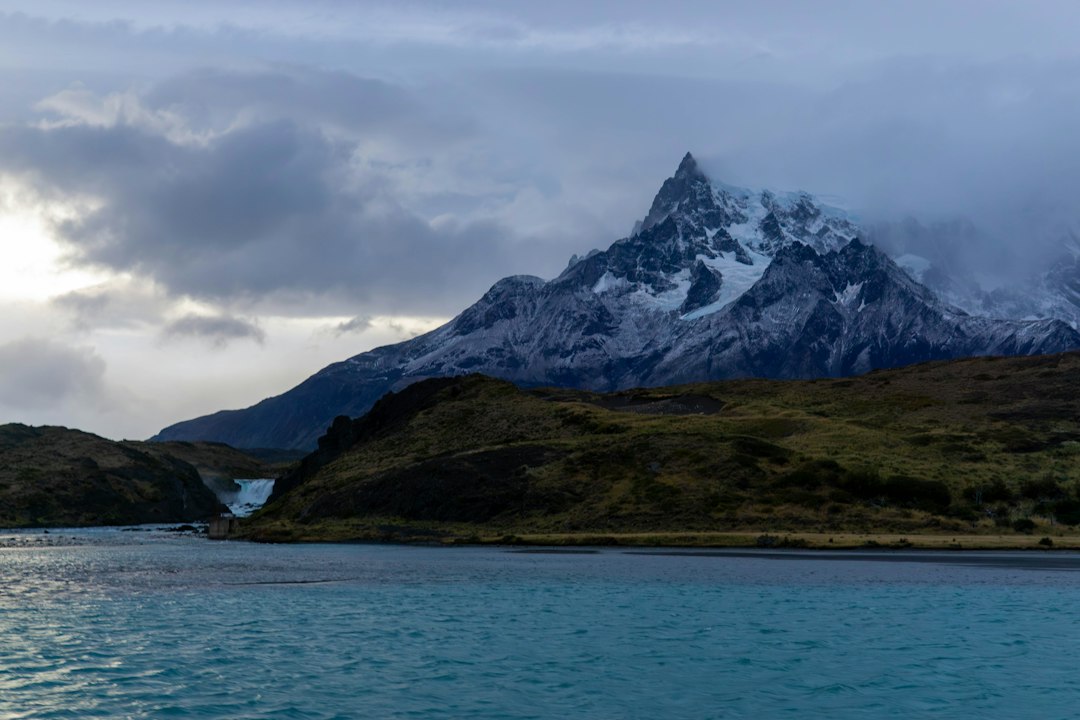
The healthiest way to plan is to start from the experience you want. If your priority is less driving and more walking, add days. If you want a panoramic sample, reduce territory before reducing sleep. If you are stuck between two options, the better choice is usually the one with fewer kilometers and cleaner timing.
Recommended itineraries from Puerto Montt and Puerto Varas
For travelers starting in the Los Lagos area, these formats usually work well:
Option 1: 8-day long escape
- Day 1: Puerto Montt, ferry and Hornopirén.
- Day 2: Caleta Gonzalo or Chaitén.
- Day 3: Pumalín and the route toward Puyuhuapi.
- Day 4: Queulat.
- Day 5: Coyhaique.
- Day 6: partial return or extra night depending on pace.
- Days 7 and 8: return with short scenic stops.
This is a good option if you want to understand the route without needing a very long vacation.
Option 2: balanced 12-day trip
- Full northern section with time for short hikes.
- Two-night stays in key areas so you do not drive every day.
- Route to Puerto Río Tranquilo to include the Marble Caves.
- Return without extreme driving days.
This format is often the best fit for couples and small groups who want scenery, road time and rest in equal measure.
Option 3: classic 14 to 16-day trip
- Puerto Montt or Puerto Varas as your departure base.
- Hornopirén, Chaitén, Puyuhuapi, Coyhaique, Cerro Castillo, Puerto Río Tranquilo, Exploradores, Cochrane or Tortel.
- Enough time to reshape the route if the weather changes.
- More stable budgeting thanks to a car with unlimited kilometers.
If you are still deciding which vehicle category fits best, compare options and then contact us through /en/about or book directly once your dates are set.
Conclusion: the best number of days is rarely the minimum
If you want the simplest answer, think of it this way: for the Carretera Austral by car, 10 days is the minimum reasonable plan, 12 to 16 days is the ideal range, and 18 or more is best if you want maximum freedom. Anything below that can still work, but it usually means giving up places, sleeping less or driving with more pressure than the route deserves.
The good news is that starting from Puerto Montt or Puerto Varas gives you a real logistical advantage. With smooth pickup, 24/7 service, free unlimited km and the option of an Argentina permit, the car stops being a worry and becomes what it should be: the tool that lets you enjoy the road. If you are already looking at dates, browse more route ideas on /en/blog and then head to /en/reservation to quote the vehicle that best matches your trip length.