

Carretera Austral by Car: Complete Guide

Driving the Carretera Austral from Puerto Montt gives you something no fixed tour can match: choosing when to stop, how long to hike, and where to sleep when the weather changes. The route combines ferries, gravel, paved sections, rainforests, fjords, and small towns. With solid planning, you can make the trip safe, flexible, and memorable without rushing or improvising the parts that matter.
What you need before leaving Puerto Montt
The Carretera Austral really begins when you leave Puerto Montt toward Caleta La Arena, Hornopirén, or Chaitén, depending on the section you choose. For a first trip, plan 5 to 10 days if you want to reach Coyhaique at a comfortable pace. If you only have 3 or 4 days, focus on Hornopirén, Pumalín, Chaitén, and Futaleufú.
Before booking, define three things: number of days, vehicle type, and your comfort level with gravel roads. A small city car can work for short sections in good weather, but a compact or mid-size SUV gives you more clearance, better luggage space, and more confidence on uneven roads. In the Loki fleet, you can choose by luggage, passengers, and travel style.
Bring these basics:
- Valid driver’s license and ID or passport.
- Confirmed car rental with pickup in Puerto Montt, Puerto Varas, or the airport.
- Flexible itinerary, with one buffer night if you will use ferries.
- Waterproof clothing, thermal layers, and shoes that handle mud.
- Snacks, water, and cash for areas with weak signal.
- Car charger, offline map, and flashlight.
The Route of Parks connects national parks and protected areas across Chilean Patagonia. Use it as a reference to decide which stops fit your pace best.
Step by step: driving the Carretera Austral from Puerto Montt
Step 1: Choose how far south you want to go
Do not plan the Carretera Austral as a line you must finish at any cost. Choose a realistic target instead. From Puerto Montt, you can do Puerto Montt–Chaitén–Futaleufú, Puerto Montt–Puyuhuapi, or continue to Coyhaique if you have more days.
For 5 days, a sensible route is Puerto Montt, Hornopirén, Chaitén, Pumalín Park, and Futaleufú. For 7 to 10 days, add Puyuhuapi, Queulat, and Coyhaique. If you want to go much farther south, reserve more time and check road sections, weather, and accommodation availability.
Why it matters: distances are misleading because ferries, gravel, and scenic stops make every day longer.
Local tip: if you land at El Tepual Airport, request airport delivery and leave early. With Loki, you can coordinate 24/7 pickup and avoid an extra night when your flight arrives at an awkward time.
Step 2: Book ferries in advance
The route from Puerto Montt includes sea crossings. Check schedules, availability, and conditions with operators such as Naviera Austral before locking in accommodation. In high season, a full ferry can move your whole calendar.
For the classic route toward Chaitén, pay special attention to connections between Caleta La Arena, Hornopirén, and the Chaitén area. Arrive with a margin because boarding usually involves queues, documents, and weather-related changes.
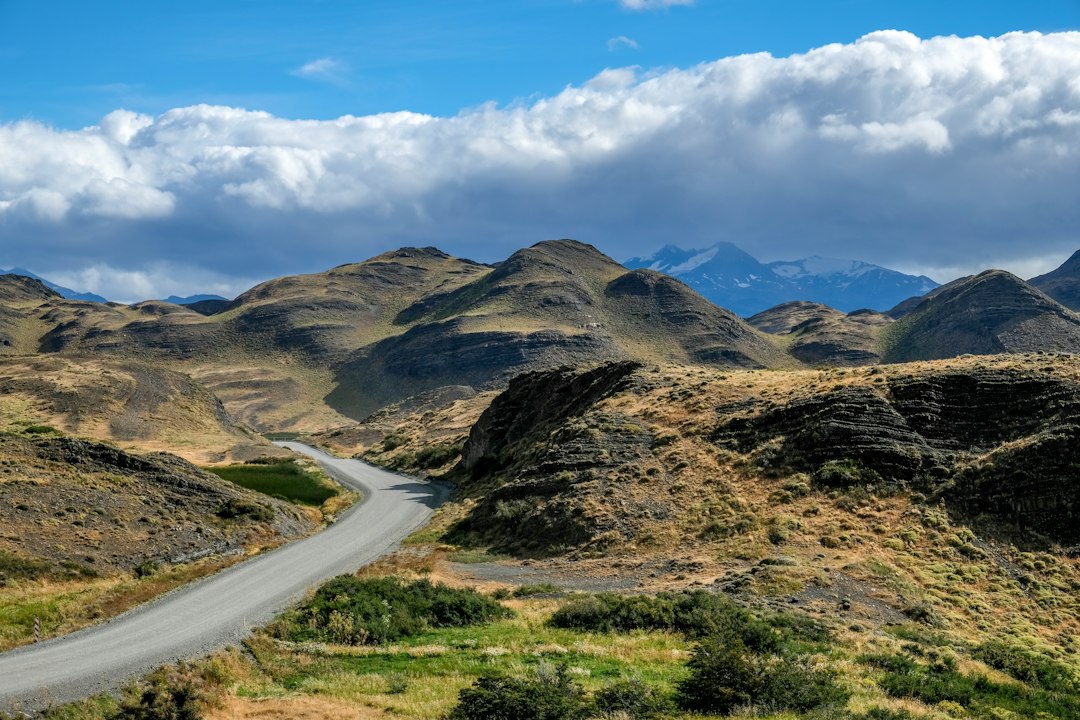
Why it matters: missing a ferry is not like missing a city bus. It can mean sleeping in another town or cutting a hike.
Local tip: avoid scheduling your longest drive on the same day as a key crossing. Leave the afternoon for arrival, food, and checking the next day’s forecast.
Step 3: Pick the right vehicle
The best car for the Carretera Austral is not always the biggest one. Look for balance between comfort, fuel use, clearance, and space. For couples with moderate luggage, a compact SUV often works very well. For four people, larger bags, or side roads, a mid-size SUV or 4x4 gives you more room for error.
Ask about tires, insurance, roadside assistance, and mileage policy. At Loki, all categories include free unlimited kilometers, which helps a lot on this route. You also get 24/7 assistance, useful if you have questions in Chiloé, Puerto Varas, Hornopirén, or farther south.
Why it matters: gravel can include washboard sections, loose stones, and potholes. More clearance reduces stress and improves the trip.
Local tip: pack heavy luggage low and avoid leaving backpacks visible when you stop at viewpoints or small towns.
Step 4: Build short, flexible driving days
A comfortable day on the Carretera Austral is not measured only in kilometers. Measure real driving time, waiting, photos, hikes, and meals. A 180-kilometer section can take most of the day if it includes gravel, rain, and park stops.
Try to leave early, refuel whenever you can, and book accommodation before arriving late. In small towns, availability changes quickly. Check official road information from the Ministry of Public Works when storms or roadworks affect the route.
Why it matters: driving tired on gravel or rain reduces reaction time. The route feels better when you have margin.
Local tip: keep a list of optional stops. If the day flows, visit them; if not, continue to your accommodation without feeling you failed.
Step 5: Decide whether you will cross into Argentina
Some routes combine the Carretera Austral with Futaleufú, Esquel, or Bariloche. If you plan to cross the border, tell the rental company before departure. You need an international vehicle permit, driver documents, and extra time for customs. Not every rental allows border crossings by default.
Loki can help with the Argentina permit when you request it in advance. This matters if you want to do a Puerto Montt, Chaitén, Futaleufú, Esquel, Bariloche, and Cardenal Samoré Pass loop.
Why it matters: arriving at the border without the vehicle permit can stop the trip, even if you have your passport and license.
Local tip: do not schedule a border crossing at the end of a long day. Cross early, carry printed documents, and book flexible accommodation.
Step 6: Confirm bookings, but leave room for weather
Patagonia rewards travelers who plan without becoming rigid. Book the car, key nights, and ferries, but leave at least half a day open every few days. Weather can change hikes, viewpoints, and driving times.
If you travel in summer, book farther ahead. If you travel in fall or spring, you will find fewer people, but you still need to check rain, snow at higher points, and reduced schedules. In winter, the route requires more experience, warm layers, and conservative decisions.
Why it matters: a perfect itinerary on paper can feel exhausting on the road.
Local tip: Puerto Varas is a good base before or after the trip. You can rest, reorganize luggage, and check the car before heading south.
Costs, timing, and choices that change the trip
Your budget depends on season, car category, fuel, ferries, accommodation, and meals. Time is the easiest variable to underestimate. Do not calculate with highway speeds. Calculate by sections and confirm every sea crossing.
To save money without losing quality, travel with efficient luggage, cook some simple meals, and reserve a car that is not too tight. A vehicle that feels cheap at first can become uncomfortable after a week of gravel, rain, and wet bags.
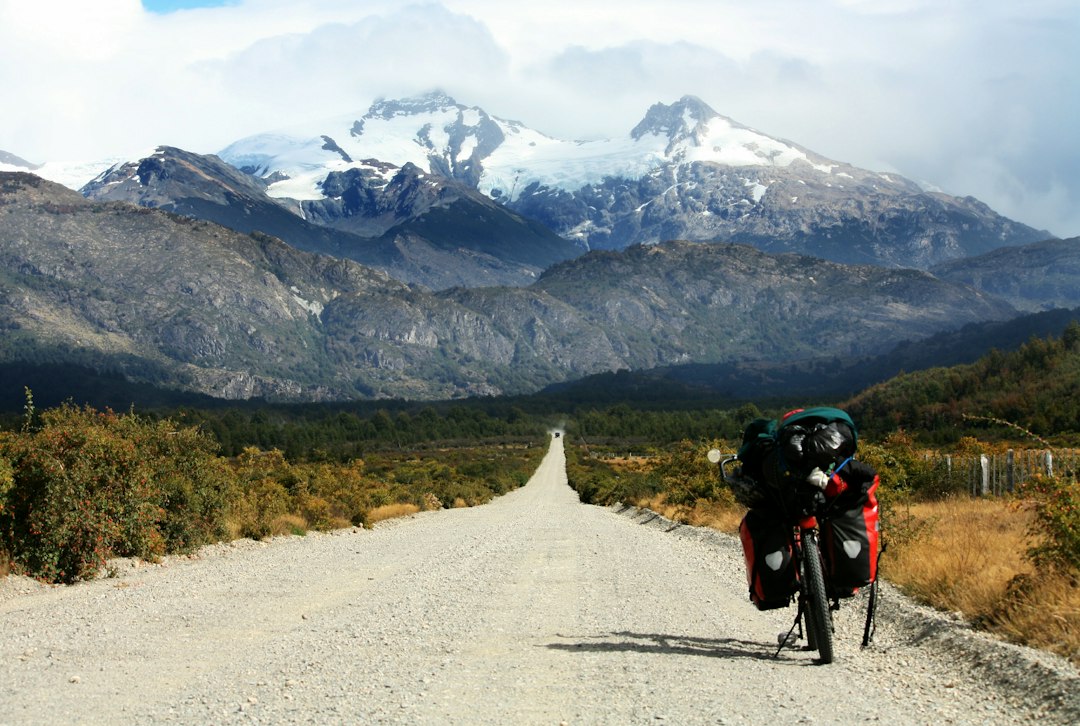
Booking with a local company also helps. If you pick up in Puerto Montt or Puerto Varas, the team knows schedules, roads, permits, and where it makes sense to refuel. You can review tours and routes if you want to combine the car with guided experiences.
Common mistakes when driving the Carretera Austral
Booking accommodation before ferries. Cause: the traveler reads the map as if the whole route were continuous road. Fix: confirm crossings first and book nights around those schedules.
Choosing a car only by price. Cause: the route looks normal on the map. Fix: consider clearance, luggage, comfort, and assistance. Review the available fleet before deciding.
Driving too many hours per day. Cause: trying to get “farther south” in too few days. Fix: choose an achievable target and accept that stopping is part of the trip.
Not requesting the Argentina permit. Cause: many travelers decide the loop while already on the road. Fix: request the international permit before leaving if there is any chance you will cross.
Relying only on mobile signal. Cause: everything works in the cities. Fix: download offline maps, save bookings as PDFs, and share your route with someone.
How to check that your plan is ready
Before paying for everything, review this list:
- The car has real space for passengers and luggage.
- Ferry crossings have been checked or booked.
- The longest driving days include margin for weather and stops.
- You saved at least 3 useful links for offline access.
- Your accommodation accepts late arrival if you are coming from a ferry.
- You requested the Argentina permit if your route crosses the border.
- You know where to pick up and return the car.
If almost everything depends on “we will see on the road,” your plan still needs work. Freedom works better when the basics are secured.
Key ideas for your route
- Driving the Carretera Austral is better with short days and margin.
- Puerto Montt and Puerto Varas are practical starting bases.
- Ferries set the rhythm: check them before hotels.
- A compact or mid-size SUV usually beats choosing only by price.
- The Argentina permit must be requested in advance, not at the border.
- Unlimited kilometers and 24/7 assistance reduce stress on long routes.
Want to build the route without wasting time comparing conditions? Check Loki reservations, choose the car according to your luggage, and request delivery in Puerto Montt, Puerto Varas, or El Tepual Airport. The team can guide you on ferries, Argentina permits, and the most comfortable vehicle type for your Carretera Austral trip.