

Chiloé by car: what to see from Puerto Montt
By Loki Team9 min read

Chiloé works especially well as a self-drive trip when you start with a realistic route, give yourself buffer time for the ferry, and choose a car that matches your stops. From Puerto Montt or Puerto Varas, you can reach the island the same day, sleep in Castro or Ancud, and move freely between UNESCO wooden churches, palafitos, local markets, and coastal roads. That flexibility matters even more now: the Los Lagos region received 371,200 foreign visitors in 2024, up 62.6% year over year, according to the 2024 Sernatur Tourism Yearbook.
If your plan is a two to four day escape, Puerto Montt or Puerto Varas is still the best base because it lets you pick up the car close to the airport, cross the Chacao Channel early, and return without depending on buses or fixed tours. Chiloé also pairs well with other southern Chile stops. You can add a night in Puerto Varas, connect it with the Carretera Austral, or adjust your return based on weather and ferry conditions. Below is a practical route built for travelers who want to see a lot without rushing, with real driving tips, timing guidance, and car recommendations.
What you need before driving to Chiloé
Think of this trip as a short road trip, not a rushed day tour. Leaving with the basics solved saves time at the dock and gives you room for detours that are genuinely worth it.
- A rental car booked for an easy pickup in Puerto Montt, ideally near El Tepual Airport or with coordinated delivery.
- A valid driver's license, passport or ID, and a card for the security deposit.
- Waterproof layers, even in summer. Weather shifts quickly on the island.
- A simple fuel and meal plan, especially if you are going to Cucao, Chepu, or the west coast.
- Realistic time: two days works for a short route, while three or four days lets you explore with much more ease.
From a tourism demand perspective, the region is still busy. The January 2026 Tourism Barometer from Chile's Undersecretariat of Tourism reported 443,356 foreign tourist arrivals in Los Lagos between January and November 2025. You can feel that in summer, holiday weekends, and shoulder-season long weekends. That is why it helps to cross early and avoid improvising accommodation in Castro.
Chiloé road trip route from Puerto Montt, step by step
For a first visit, the most efficient route is to enter through Chacao, travel the Ancud, Dalcahue, and Castro axis, and then decide whether to continue west or south based on how many days you have.
Step 1: leave Puerto Montt or Puerto Varas early
If you pick up your car in the morning, you can drive straight toward Pargua on Route 5. An early start helps you avoid the longest ferry lines and gives you a useful half day on the island. If you are arriving by plane, a 24/7 pickup is the easiest way to avoid losing that first day.
Why this matters: traffic flows much better when you cross before the late morning rush.
Pro tip: if you are traveling with large luggage, check trunk space before choosing a vehicle from Loki's fleet.
Step 2: cross the Chacao Channel with extra time
The main gateway to the island is still the ferry between Pargua and Chacao. The crossing usually takes about 20 to 30 minutes and remains the logical access point for any self-drive route from the mainland, as summarized by Chile Travel. Build in extra time for the queue, especially in summer, on holiday weekends, and around peak turnover dates.
Why this matters: if you start the day already rushed, any wait at the ferry throws off the rest of your plan.
Pro tip: keep water and a snack in the car. It is a small detail, but it makes the wait much easier when traffic is heavy.
Step 3: make your first stop in Ancud or at the Puñihuil penguin area
Once you disembark, you have two strong options. If you want a classic urban stop, head into Ancud for a coastal walk, the fort, and an easy lunch. If you want nature from the start, continue toward Puñihuil and leave Ancud for the return. The second option adds kilometers, but it also gives you a wilder first impression of the island.
Why this matters: that first choice shapes whether you sleep in the north or continue all the way to Castro on day one.
Pro tip: for secondary roads or rainy days, a compact SUV is more comfortable than a city car, even if the main Route 5 section is in good shape.
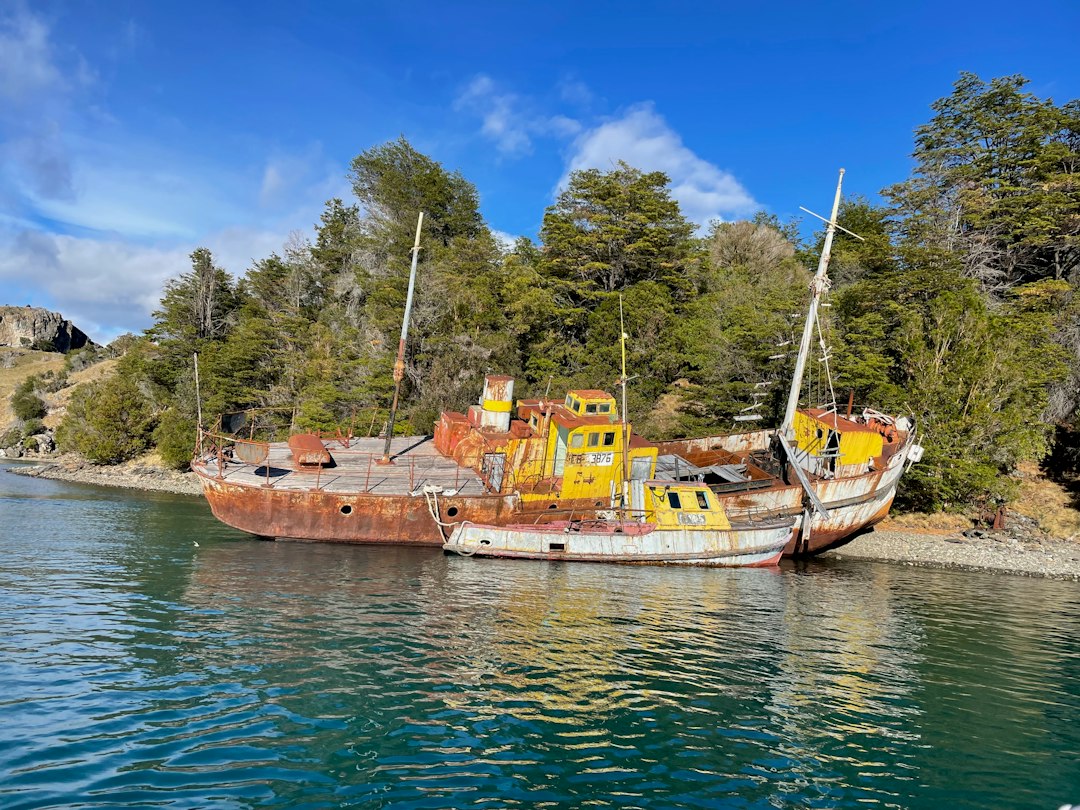
Step 4: continue through Dalcahue and sleep in Castro
For most travelers, Castro is the best base. From there, you can see the palafitos, move easily toward Dalcahue, Achao, or Chonchi, and decide the next day whether you want to go to Cucao or continue toward Quellón. Dalcahue is worth a stop for the waterfront and market, a short but very Chiloé pause before arriving in Castro.
Why this matters: sleeping in Castro places you in the middle of the island and reduces backtracking.
Pro tip: if you want a slower trip rhythm, look at Loki's tours to mix one self-drive day with one guided activity.
Step 5: choose your second-day detour
If you have two or more nights, there are three very good ways to use your next full day. The first is heading to Cucao and Chiloé National Park. The second is following the church route and the villages on the eastern side. The third is driving south toward Quellón if you want to feel the island stretch out and become quieter.
Why this matters: Chiloé is more enjoyable when you choose one zone per day instead of trying to do everything at once.
Pro tip: if you are still unsure about the pace of your trip, lock in your car with unlimited kilometers from the beginning through Loki's online reservation page.
What to see in Chiloé if you have 2, 3, or 4 days
With two days, you need to prioritize. With three or four, you can combine towns, coast, and short hikes without turning the trip into a driving marathon.
If you have 2 days
Do Puerto Montt or Puerto Varas, ferry, Ancud or Puñihuil, Dalcahue, and a night in Castro. On day two, choose between a shorter stretch toward Chonchi or a run to Cucao before returning. This is the best format for a long weekend.
If you have 3 days
Use day one for the crossing and arrival in Castro. Dedicate day two to Cucao and Chiloé National Park. According to CONAF, the park covers 42,567 hectares and includes two main sectors, along with trails, viewpoints, and access through the Cucao-Chanquín sector. Leave day three for the east side: Dalcahue, Achao, UNESCO churches, and a relaxed drive back.
If you have 4 days
Add one more night farther south, ideally in Quellón or at a rural stay before reaching it. That gives you time to drive slowly, stop at less obvious viewpoints, and spend more time on local food. This format works especially well for international travelers or for anyone linking Puerto Varas, Chiloé, and another southern Chile leg in the same trip.
Real driving tips for Chiloé
Driving on the island is not difficult, but it does require a slower rhythm and the right expectations. Route 5 is the most direct and comfortable backbone, while the most memorable detours usually involve secondary roads, wet stretches, and sections where fog can drop in quickly.
First, avoid driving rural stretches at night if you do not know the road. Signage is usually fine on main routes, but on coastal or inland branches it is smarter to lower your pace. Second, do not stretch your fuel too far. You will have no problem in the main towns, but when you head toward the park or the west coast it is better to leave with plenty in the tank.
Third, treat weather as a routing variable. If the forecast looks rough, keep urban stops for that day and move park or coast plans to a drier window. Fourth, leave real buffer time for the return ferry. The most common mistake is calculating only driving time and forgetting the wait for the crossing.
If you want more ideas before you go, Loki's blog and about page help you understand the local setup and what kind of route makes the most sense in each season.
Which rental car is best for this Chiloé route
The answer depends more on your plan than on the island in general. If you are only doing Puerto Montt, the ferry, Ancud, Dalcahue, and Castro, an economy or compact car is enough and helps keep fuel costs down. If you are traveling with family, carrying bulky luggage, or adding secondary-road detours, a roomy sedan or compact SUV will feel more comfortable.
For autumn, winter, or routes with more gravel and west coast driving, an SUV gives you a better driving position and more confidence. You do not need to overdo the category, but you do want a car that keeps you relaxed in the rain. That is also where Loki's advantages matter: 24/7 service, airport pickup, roadside help, and free unlimited kilometers. In a destination like Chiloé, that kind of flexibility is worth more than saving a little money and getting stuck with rigid conditions.
If you are building a longer southern Chile itinerary, book early so you can choose the right category. You can do that directly on the reservation page and compare vehicle sizes in the available fleet.
Final checklist before you book and go
Before you lock in your route, review this short list:
- Decide whether your trip is 2, 3, or 4 days. That choice organizes everything else.
- Cross early from Pargua so you gain useful hours on the island.
- Use Castro as your base if it is your first time and you want easy logistics.
- Leave Cucao for a day with good margin and workable weather.
- Reserve a car that matches your luggage, climate, and road plan.
- Keep extra time for the return ferry.
Chiloé rewards travelers who keep the freedom to stop when something looks good, change the order of the day, and extend a coastal detour when the weather opens up. If you want to do it right from the first leg, book your car with Loki Rent a Car. We can help with 24/7 pickup, airport delivery, and a route that makes it easy to move between Puerto Montt, Puerto Varas, and the island without friction.